Magnesium vs. Aluminum: The Numbers Engineers Should Know
Most engineers default to aluminum. It's familiar, it's available, and nobody gets questioned for specifying it. That's not engineering — that's habit.
Magnesium has been in automotive steering wheels, seat frames, transmission housings, and headlamp structures for years. OEMs didn't put it there because it sounded interesting. They put it there because the numbers work.
The basic comparison: AZ91D vs. A380D
Magnesium alloy AZ91D is 30% lighter than aluminum A380D at the same volume. Wall for wall, you get equivalent tensile yield strength while moving significantly less mass. Corrosion resistance is better too.
| Property | Mg AZ91D | Al A380D | Steel 1018 |
|---|---|---|---|
| Density (psi) | 0.0653 | 0.0989 | 0.284 |
| Modulus (ksi) | 6,500 | 10,500 | 29,000 |
| TYS (psi) | 23,000 | 23,000 | 45,000 |
| 10-Day Salt Spray (mils/yr) | 4 | 13 | 30 |
And it's at cost parity with aluminum. The weight and performance gains don't come with a price penalty.
Tool life: where the ROI case gets interesting
Magnesium tooling lasts roughly twice as long as aluminum die casting tooling. If you're running production volumes where tooling cost is a factor — and at any serious volume it is — that's a 200% ROI improvement on tooling alone, before you account for part weight savings downstream.
That number came from our own programs. Not a spec sheet.
Die casting vs. Thixomolding: picking the right process
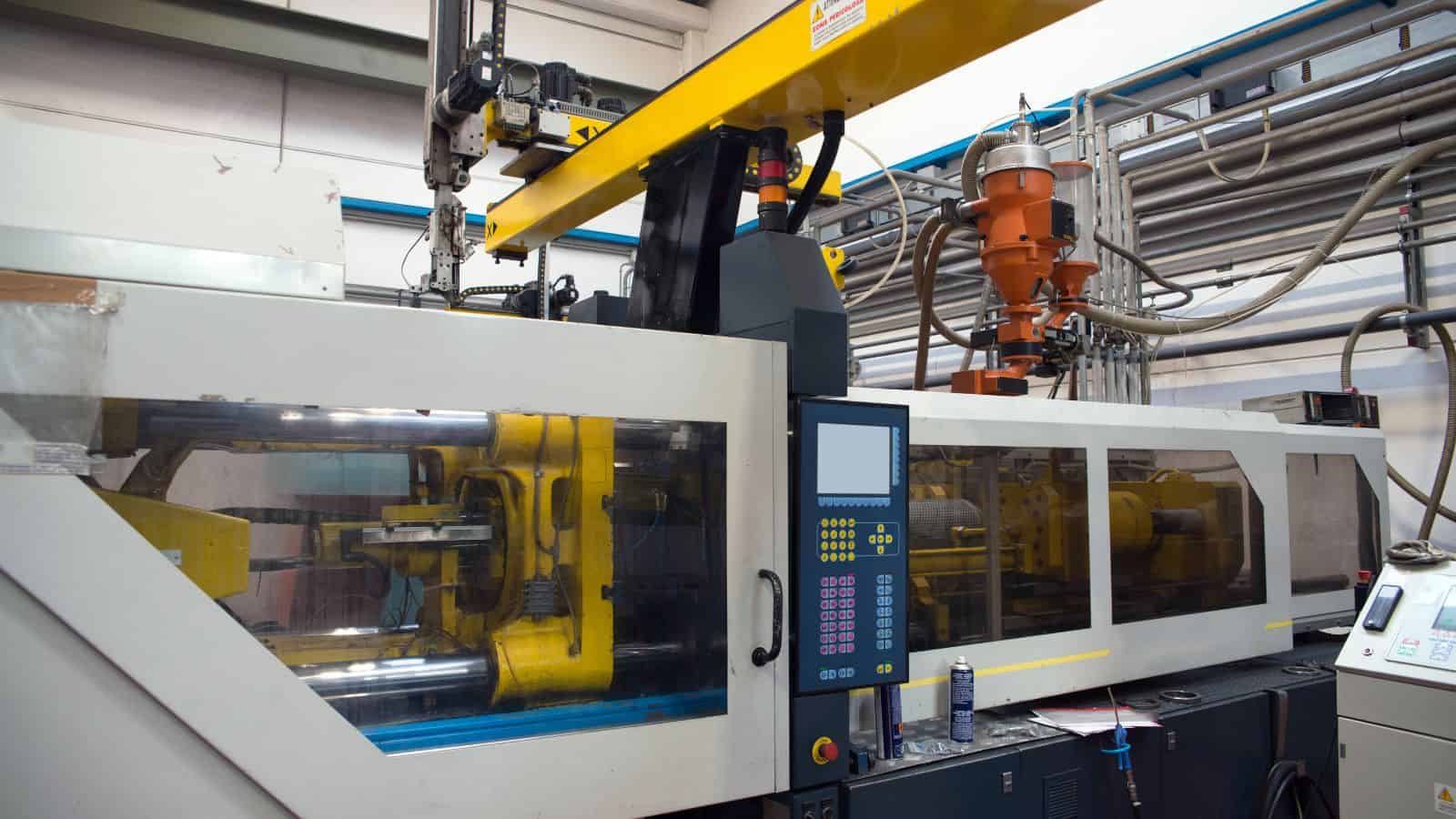
Process selection matters early. Getting it wrong after tooling is cut is expensive.
Magnesium gives you two production routes and the choice matters at design stage, not after tooling is cut.
- High Pressure Die Casting — better for larger, heavier parts with walls above 1.5mm. Established process, broad supplier base.
- Thixomolding — walls down to 1mm, tighter tolerances (half of NADCA standard), excellent surface finish, lower porosity. Think of it as plastic injection molding with the structural properties of die casting. Complex geometries, part consolidation, thin walls — this is where Thixomolding earns its place.
Which one is right depends on your geometry, volumes, tolerances, and supply chain. We advise on that call and manage the supply chain either way. Getting it wrong costs real money — the right process choice at design stage is where most of the savings are captured or lost.
A real program: LED headlamp for a Tier 1 automotive supplier
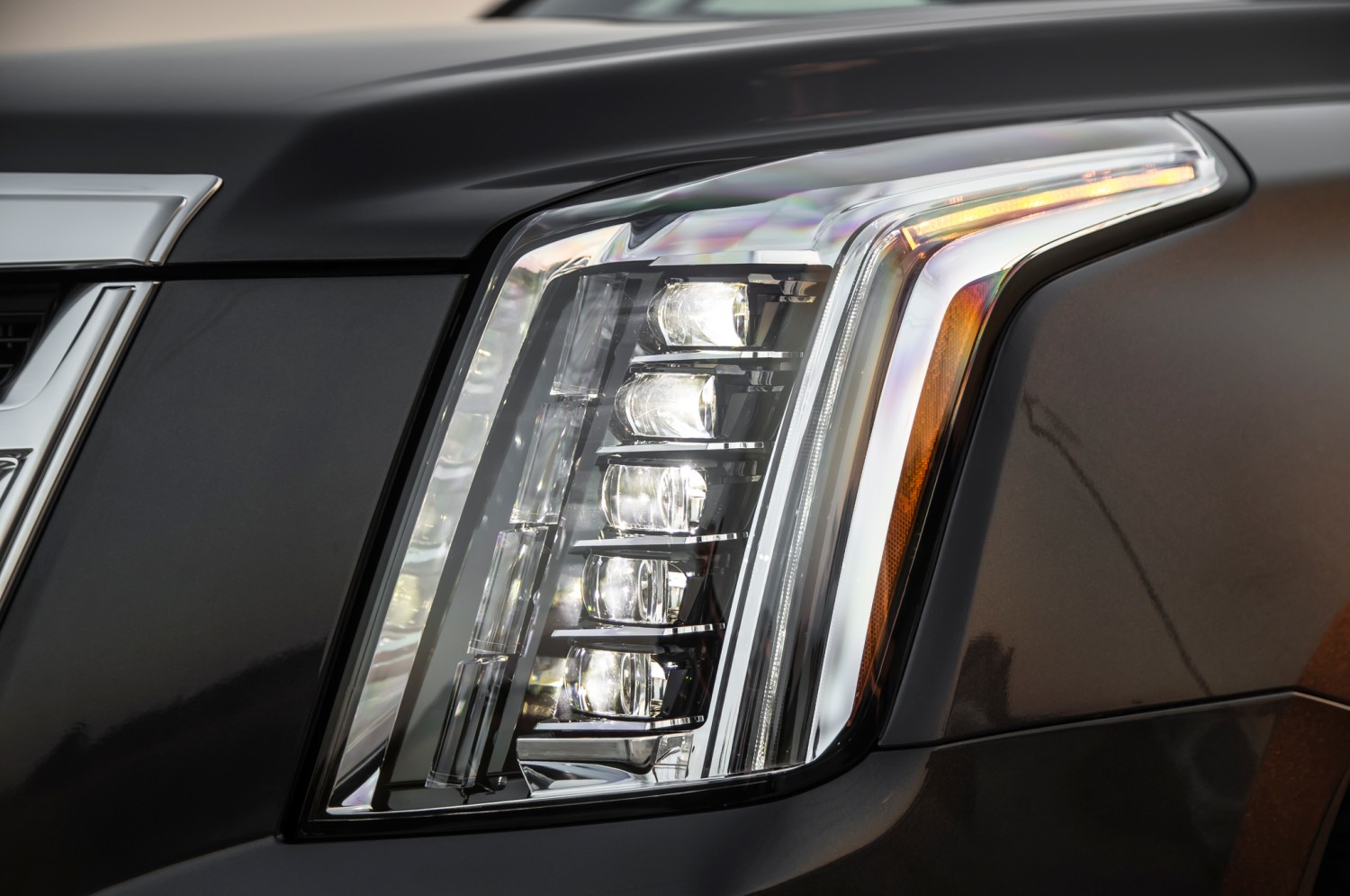
Replacing aluminum heat sinks and structures with magnesium cut weight 50% and improved thermal performance. The switch made the LED headlamp design viable.
A Tier 1 automotive lighting manufacturer came to us to supply magnesium components for an LED headlamp assembly. The existing design used aluminum structures and heat sinks.
Switching to magnesium cut weight by 50%. Heat dissipation with magnesium heat sinks outperformed the aluminum design. Corrosion protection requirements were eliminated. The result wasn't just a lighter part — it made the LED headlamp design viable in the first place and gave the customer a competitive advantage they couldn't get any other way.
75% of an engineered component's cost is locked in during the design phase. That's where material selection, wall thickness, gate location, and process choice get made. Changing them later is expensive. Getting them right early is what we do.
Where magnesium makes sense
It's not the right call for every part. But if your program has weight targets, structural requirements, and production volume worth tooling for, it's worth running the comparison before you default to aluminum.
We've launched 200+ tools across magnesium and aluminum programs. If you're evaluating a part for Thixomolding or die casting, we can tell you quickly whether magnesium is the right move and what the numbers look like for your specific geometry and volume. Talk to us.
← Back to Articles